
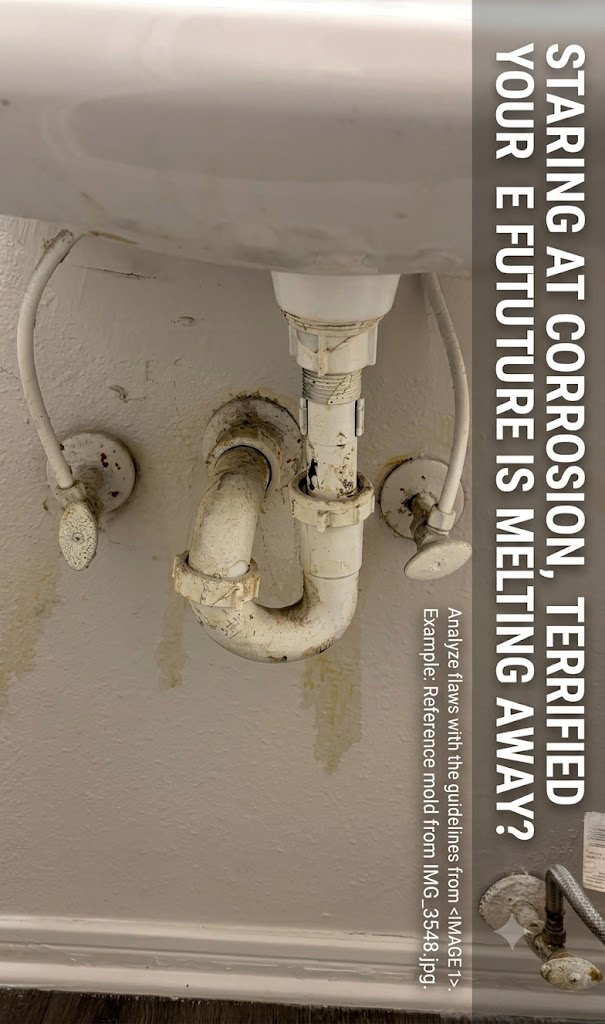
You’re standing in a basement, your eyes tracking the dark stain spreading along the cinder block wall. This isn’t your house not yet. But you want it to be. The listing photos were all flawless sunlight and restored hardwood. The reality smells like damp soil and a hidden disaster.
This, in its rawest form, is why you need a home inspection. It’s the thin, expert line between your dream home and a catastrophic financial mistake.
But as you stand there, stomach tight, a different, more practical anxiety surfaces. Who pays to find out if this place is a lemon? When you’re already emptying your savings for a down payment, is this another check you have to write, and to whom?
The answer, like everything in real estate, is mostly one sided, but also subject to negotiation. Let’s break down who typically pays for a home inspection, why that’s the standard, and the one crucial moment the buyer can flip that bill.
The Golden Rule: The Buyer Always Pays (95% of the Time)
If you are the buyer, you need to understand one thing clearly: this inspection is for you.
In the traditional, standard real estate transaction, the home buyer is responsible for finding, hiring, and paying the home inspector. The standard logic is straightforward:
1. It’s for Your Protection
The inspector works for you, and only you. Their report is your independent, expert assessment of the property’s condition. If the seller paid for the inspector, you would naturally and correctly worry about their impartiality. Would an inspector hired by the seller be as likely to call out a cracked foundation or a failed sewer line? Probably not. By paying the inspector directly, you ensure their only loyalty is to give you a truthful, unbiased report.
2. It Gives You Leverage
That damp basement? That’s your leverage. When you own the inspection, you control the data. A major defect found by your inspector gives you the ammunition to go back to the negotiating table. You can demand that the seller fixes the mold problem, or you can demand a significant credit to handle it yourself after closing. The report gives you the power to renegotiate or, if the issues are too severe, the power to walk away from the deal entirely (provided your contract has an inspection contingency).
Why The Seller Almost Never Pays
It might seem counterintuitive. They are the ones who lived in the house, shouldn’t they prove it’s in good working order?Not really. Here’s why a seller almost never pays for a buyer’s inspection:
- “As Is” Sales are the Default: In many real estate markets, contracts default to an “as is” understanding. This means the seller isn’t guaranteeing perfection; they are selling the property in its current condition. The burden is on the buyer to determine what that condition actually is.
- Conflict of Interest: A seller pays for an inspection that finds $10,000 in roof damage. Now, by law in most states,the seller must disclose that defect to any future potential buyer if you walk away. A seller who pays for an inspection is literally paying to uncover reasons for a buyer to negotiate a lower price or kill the deal. They have zero incentive to do this.
The One Big Exception: The Pre-Listing Inspection
There is only one scenario where the seller pays for a home inspection, and it’s a strategy, not a requirement. It’s called a pre-listing inspection.
A savvy seller might choose to hire and pay for an inspector before they even put their home on the market. They do this for two main reasons:
- To Eliminate Surprises: They want to know every defect in their home before a buyer does. This allows them to either fix the problems (like that moldy basement wall) or proactively adjust their asking price to reflect the needed repairs. This avoids last-minute negotiation drama that can kill a deal.
- To Build Trust: A seller who hands you a pre listing inspection report is sending a powerful signal: “I am transparent. I have nothing to hide. I already know my house’s flaws, and I’ve addressed them.”
A Major Caveat for Buyers
If a seller offers you a pre-listing report, do not use it as your only reference. This provides an excellent framework for how you must approach the seller’s documentation:
- Avoid Generic Phrasing: The seller’s pre-listing report might contain very generic, standard wording to soften the blow of a finding. Your own inspector will use fresh, specific language to detail the severity.
- Look for Sensory Detail: Your inspector won’t just say “stain on wall.” They will describe the scent (the musty odor), the touch (is it soft or crumbly?), and use all five senses to assess the structural reality.
- Don’t Resolve Tension Too Quickly: If the seller’s report claims a defect was fixed, a good buyer’s inspector will still verify that repair work. They won’t just accept the seller’s resolution; they will look for the lingering ambiguity that the prompt in warned about, ensuring the “fix” wasn’t just a cover up.
While a pre listing inspection is a useful tool, you should still, in almost all circumstances, hire your own inspector to verify and explore deeper.
Bottom Line: Expect to Pay $300 – $600
As a buyer, this isn’t a cost to avoid; it’s an essential part of your closing costs. A typical home inspection will cost between $300 and $600, depending on your location and the size and age of the home. Specialty inspections like for mold (re: that damp basement), radon, or sewer lines will add to that total.
Don’t let that cost deter you. Think of it this way: that $500 inspection is the absolute cheapest insurance policy you will ever buy to ensure that the foundation of your future isn’t literally rotting beneath your feet. It’s your eyes, your protection,and ultimately, your peace of mind. Pay the expert to confirm your dream, and don’t expect the seller to help you find its hidden flaws.
Staring at a potential defect and terrified your future is melting away? Don’t risk your investment. At Delve Property Inspections LLC, we are committed to providing the real, raw sensory details you need to make an informed decision. Our expert inspectors work for you, and only you. [Click here to schedule your comprehensive home inspection today] and gain the clarity and leverage you deserve.

Leave a Reply