
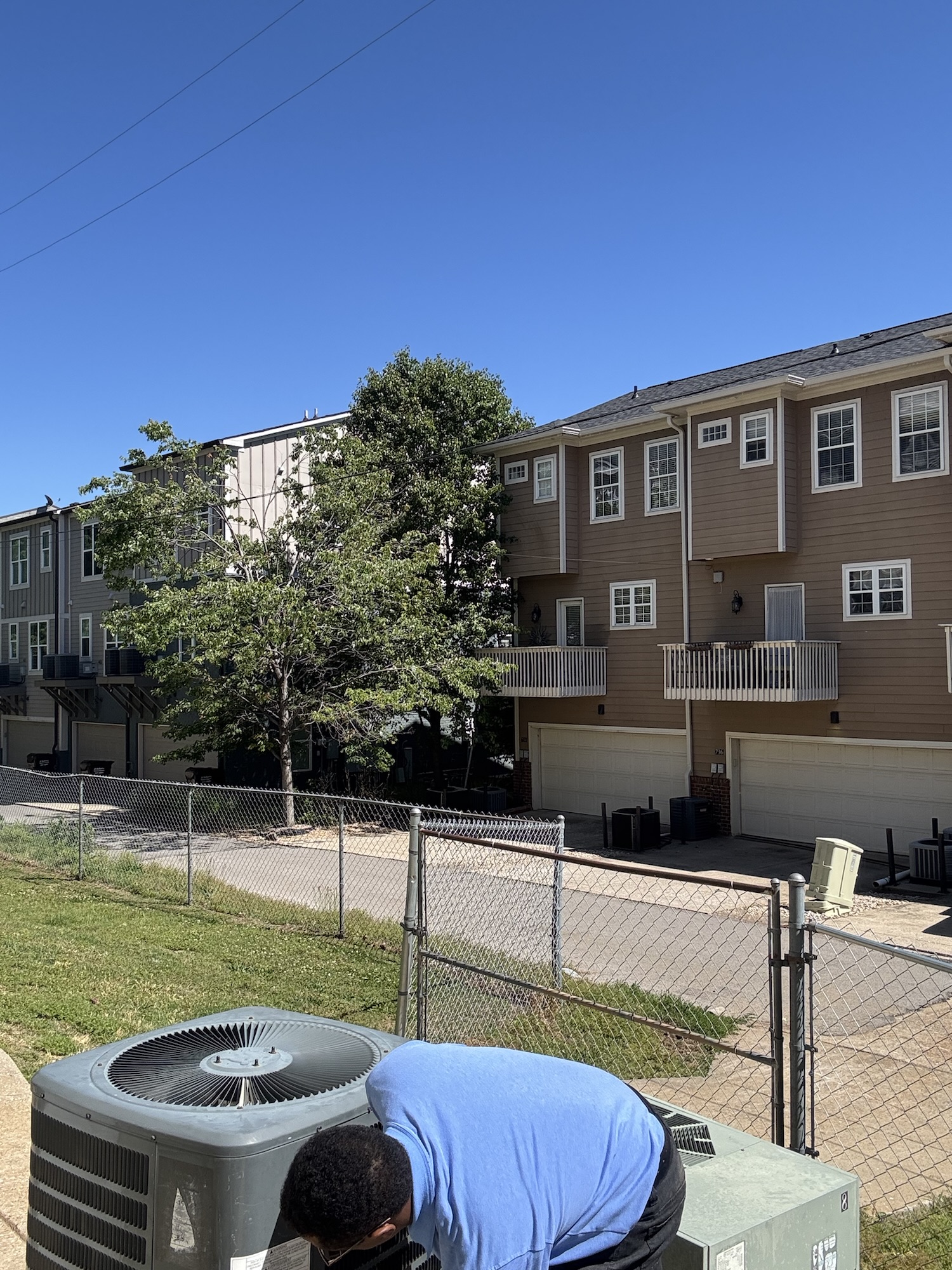
By Delve Property Inspections | Nashville, Tennessee
When most people think about apartment inspections, they often picture an inspector checking smoke alarms, documenting maintenance concerns, or identifying plumbing leaks. Those tasks are certainly important, but they represent only part of the value of a well executed multifamily inspection.
After years working in affordable housing, multifamily property management, and housing inspections, I’ve come to believe that the best apartment inspections accomplish something much larger than protecting a building. They help protect investments, improve resident safety and communication, support responsible property management, and strengthen the communities that surround them.
Every apartment community is more than a collection of buildings. It is home to families beginning new chapters, older adults aging in place, veterans, young professionals, students, and people working hard to build better lives sometimes in close proximity. When owners and managers invest in proactive inspections, they are investing in the long term health of both their properties and the neighborhoods they serve.
At Delve Property Inspections, that broader perspective guides every multifamily and commercial inspection we perform throughout Nashville and Middle Tennessee.
Looking Beyond Maintenance
Routine apartment inspections are often viewed as compliance exercises or maintenance checklists. In reality, they are one of the most effective preventive risk management tools available to property owners.
A small roof leak can become structural damage.
A loose handrail can become a serious injury.
A hidden plumbing leak can create mold, attract pests, and result in thousands of dollars in repairs.
By identifying concerns early, owners can often address issues before they become emergencies that disrupt residents and significantly increase costs.
Research consistently shows that preventive maintenance extends building life, improves operating efficiency, and reduces life cycle costs compared with deferred maintenance. For multifamily owners, proactive inspections are not simply expenses they are investments in long-term asset preservation.
Buildings Influence Public Health
Housing and health are closely connected.
Researchers have long documented relationships between housing conditions and respiratory illness, injury risk, stress, pest exposure, indoor air quality, and overall well-being. Moisture intrusion, inadequate ventilation, deteriorating building systems, and environmental hazards can all contribute to unhealthy living conditions if left unresolved.
That does not mean every maintenance issue becomes a health crisis.
It does mean that timely inspections provide opportunities to identify conditions that deserve attention before they worsen.
For example, discovering moisture behind a bathroom wall today may prevent mold growth six months from now.
Repairing damaged weatherstripping may help reduce moisture intrusion while improving energy efficiency.
Correcting damaged flooring may prevent future trip hazards for residents of all ages.
Each repair may appear relatively small on its own.
Collectively, they contribute to healthier homes and stronger apartment communities.
What Experience Has Taught Me
Throughout my career working in multifamily housing, I’ve inspected thousands of occupied apartment homes.
Every inspection reinforced one lesson:
No two apartments are exactly alike.
Sometimes the visit revealed nothing more than routine maintenance items.
Sometimes it uncovered plumbing leaks hidden beneath sinks.
Sometimes it identified conditions that required immediate maintenance attention before they affected neighboring units.
And occasionally, something far more important happened.
There were instances when scheduled inspections unexpectedly revealed residents experiencing medical emergencies or situations where immediate assistance was needed. In other cases, maintenance staff and management were able to reconnect with residents who had become isolated or who needed support from family members or emergency contacts.
These experiences were never the purpose of the inspection.
The purpose was always to evaluate the condition of the property.
However, they served as powerful reminders that routine inspections create opportunities for responsible property management teams to ensure both buildings and residents receive appropriate attention when circumstances warrant.
Professional inspectors are not healthcare providers, social workers, or law enforcement officers. Our role is to document observable property conditions objectively and communicate maintenance related findings to property owners and managers. When an unexpected emergency is encountered during the normal course of an inspection, the appropriate response is simply to follow established emergency procedures.
Those moments have stayed with me because they illustrate something often overlooked:
A routine inspection may become the only scheduled visit a resident receives for months.
Why Insurance Companies Value Preventive Inspections
Insurance companies understand risk.
They know that major losses rarely begin as major problems.
Instead, they often begin with small deficiencies that remain unnoticed.
A slow plumbing leak.
A deteriorated electrical connection.
Missing caulk around a window.
An aging water heater nearing the end of its service life.
Blocked dryer vents.
Loose stair treads.
Improper drainage.
These issues may appear minor individually, but together they increase the likelihood of expensive claims.
Routine inspections help property owners identify developing concerns before they result in water damage, liability claims, fire losses, or costly emergency repairs.
From a business perspective, preventive inspections support stronger maintenance planning, more predictable capital expenditures, and improved documentation of property conditions.
From a community perspective, they help keep residents safely housed while reducing unnecessary disruptions caused by preventable maintenance failures.
The Hidden Cost of Deferred Maintenance
Deferred maintenance rarely stays deferred.
Eventually, every neglected repair demands attention.
The only question is whether it will be addressed on your schedule or during an emergency.
Consider a minor plumbing leak inside one apartment.
If ignored, moisture may migrate into neighboring units.
Drywall can deteriorate.
Flooring may become damaged.
Mold may develop under favorable conditions.
Repairs become more extensive.
Residents experience inconvenience.
Insurance claims become more likely.
Vacancy losses increase.
What began as a simple maintenance issue now affects multiple households and significantly increases ownership costs.
Routine inspections interrupt that cycle by identifying concerns before they expand beyond the original source.
For responsible owners and managers, prevention is almost always less expensive than emergency response.
And for residents, prevention often means something equally valuable: uninterrupted, safe housing.
In Part 2, we’ll focus on pest prevention, resident safety, Fair Housing considerations, the connection between apartment conditions and neighborhood stability, and the “Delve Community Protection Framework” that can become a signature part of your brand. Then Part 3 will conclude with practical guidance for owners and a strong call to action tailored to the Nashville and Middle Tennessee multifamily market.
Contact us today 615-862-6246
Leave a Reply